
“Old is gold,” they say—but is it really when it comes to vintage cookware? Whether you’re a collector, a retro kitchen enthusiast, or just someone drawn to the charm of cast iron and enamel from a bygone era, the debate of antique vs. replica cookware is heating up in 2025! With a surge in nostalgic kitchen trends and the booming resale market, understanding the value and function of authentic antiques versus modern replicas has never been more important. According to a recent study, demand for vintage-style cookware has increased by 38% year-over-year! So, is it smarter to hunt down a 100-year-old Griswold skillet, or grab a brand-new Lodge replica that looks the part?
Let’s dive into the details, break down the differences, and help you decide which type of vintage cookware deserves a spot on your stovetop—or your shelf.
What Qualifies as Antique vs. Replica Cookware?
Understanding the difference between antique and replica cookware is essential if you want to shop smart—whether you’re a collector hunting for authenticity or a home cook wanting vintage charm without the risks. Let’s break it down:
What is Antique Cookware?
Antique cookware typically refers to kitchen tools and pots that are 100 years old or more. However, the term is often used more loosely in the vintage community to describe items that are at least 40–70 years old, depending on the brand and type.
- Age matters: Most collectors consider cookware made before the 1950s as “antique” or at least genuinely vintage.
- Quality construction: Antique cookware was usually crafted with superior materials like thick cast iron or hand-hammered copper.
- Maker’s marks: Brands like Griswold, Wagner, and early Le Creuset pieces have distinctive stamps or logos, often indicating the production period.
What is Replica Cookware?
Replica cookware is modern cookware designed to imitate the style and design of older, classic pieces. These items are often made to look antique but are manufactured using contemporary techniques and materials.
- Mass production: Replicas are typically mass-produced and may use cheaper materials than the originals, though some high-end replicas (like modern Lodge cast iron) are built to last.
- Style over age: They mimic the aesthetic of vintage cookware—arched handles, embossed logos, or retro enamel colors—but don’t carry the history or collector’s value.
- Safe and modern: Replicas usually meet modern food safety standards and may be lighter, easier to clean, and more compatible with today’s stoves (including induction).
Key Brands and Identifying Markers
- Griswold (Erie, PA): Famous for smooth-surfaced cast iron with “cross logo” or “large block logo” marks from the late 1800s–1950s.
- Wagner Ware: Known for pre-1960s cast iron with elegant script logos.
- Le Creuset: Older pieces have recessed logos and unique number codes that differ from modern versions.
- Lodge: While still active today, original pre-1950s Lodge skillets lacked the logo on the bottom; today’s replicas feature branded bases.
How to Tell Them Apart
- Check the weight and feel: Older pieces often have smoother cooking surfaces and heavier builds.
- Inspect the logo: Use collector databases or vintage cookware guides to verify authenticity.
- Look for mold seams: Many antique cast iron items were finished by hand and have a more polished look compared to newer molds.
What Qualifies as Antique vs. Replica Cookware?
In the world of vintage kitchenware, knowing what you’re buying is essential—especially with the rising popularity of retro aesthetics and collectible cookware. Whether you’re eyeing a Griswold skillet at a flea market or a replica Dutch oven online, understanding the difference between antique and replica cookware helps you make informed, valuable choices.
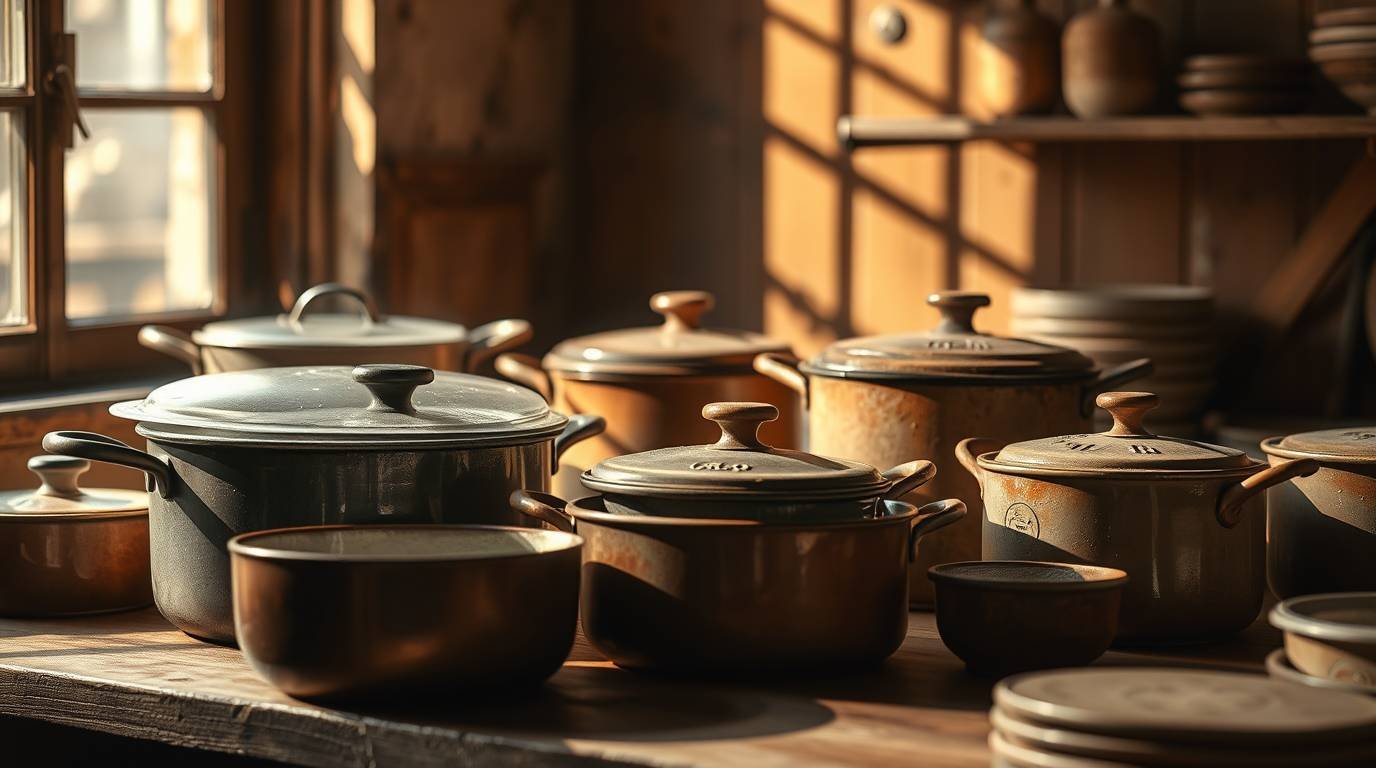
What Qualifies as Antique vs. Replica Cookware
🔍 What Is Antique Cookware?
Antique cookware generally refers to kitchen items that are over 100 years old, though in the collecting world, anything pre-1950s often falls under the “vintage” or “antique” label, especially if it’s from a legacy brand.
- Time-tested pieces: Most antique cookware was made before World War II, often using superior craftsmanship and materials like cast iron, copper, or enameled steel.
- Legacy brands: Key makers include Griswold, Wagner Ware, Favorite Piqua, and early Le Creuset.
- Manufacturing clues: Look for identifying marks like maker’s logos, patent dates, or mold numbers, often stamped or embossed on the bottom of the cookware.
- Unique qualities: Older cast iron tends to have a smoother cooking surface, and many pieces were polished by hand, unlike today’s rougher factory finishes.
🆕 What Is Replica Cookware?
Replica cookware is a modern product made to resemble antique or vintage styles, but it lacks the age and typically the collector’s value of genuine antiques. Still, many replicas are high-quality and perfect for daily use.
- Inspired by the past: Replicas are often modeled after classic designs—think arched handles, vintage shapes, and retro color schemes.
- Modern materials: Most use modern cast iron, enameled coatings, or stainless steel, and comply with today’s safety standards.
- Mass production: Unlike antique cookware, replicas are machine-produced in large quantities, making them more accessible and affordable.
- Not always labeled: Some replicas don’t disclose that they’re new, so be cautious when buying from marketplaces or vintage shops without documentation.
🏷 Key Brands & Identifying Markers
Whether you’re collecting or just shopping smart, knowing how to spot brand marks and production clues is vital.
- Griswold (Erie, PA): Famous for their “large block logo” and “cross in circle” marks. Look for model numbers and smooth finish.
- Wagner Ware: Features an elegant script logo, sometimes alongside “Sidney -O-” or patent dates, indicating pre-1960s production.
- Le Creuset: Earlier French pieces have recessed logos, double-digit numbers, and hand-painted enamel, often more delicate than modern versions.
- Lodge: Original Lodge pans were unmarked, while today’s Lodge replicas feature the full brand name cast into the base.
🧠 How to Tell the Difference
Here are quick tips to help you identify if you’re looking at an antique or a replica:
- Feel the surface: Antique cast iron usually has a buttery-smooth surface, while modern cast iron tends to feel rougher.
- Inspect the bottom: Look for manufacturer’s marks, country of origin, and even font style, which can reveal age.
- Assess condition: Antiques may show signs of wear like seasoning buildup, rust spots, or small casting flaws—these are often part of the charm.
- Research before buying: Use cookware identification guides or reputable online databases to cross-check logos and models.
The Pros and Cons of Antique Cookware
Antique cookware has an undeniable charm—whether it’s the nostalgic patina of an old skillet or the hand-poured elegance of a copper pot. But while vintage pieces may look beautiful and even outperform modern options in some cases, they also come with caveats that buyers and users should be aware of. Let’s break down the advantages and disadvantages of antique cookware so you can shop smart and cook safely.
✅ Pros of Antique Cookware
Antique cookware is prized for its durability, craftsmanship, and heritage. These pieces were made to last—and many still do.
- Exceptional Build Quality: Many antique pieces were hand-finished or cast in sand molds that created a smoother cooking surface, especially in cast iron pans like Griswold or Wagner.
- Durability That Lasts Generations: With proper care, antique cookware can outlive modern pans. It’s common to find century-old skillets still in daily use.
- Unique Character & Aesthetic: No two antique pieces are exactly alike. Their patina, seasoning, and design reflect a lived-in story you won’t find in factory-fresh items.
- Collectible & Valuable: Some antique cookware, especially from renowned brands, has become highly collectible. Pieces with rare markings or in excellent condition can sell for hundreds—even thousands—of dollars.
- Better Heat Retention: Many vintage items, particularly cast iron and copper, were designed for open flame or wood-burning stoves and have excellent heat distribution.
❌ Cons of Antique Cookware
Despite their appeal, antique cookware can pose functional and safety concerns if you’re not careful.
- Wear and Tear: Many antique pieces come with rust, pitting, or warping, especially if improperly stored or used over the years.
- Lead and Toxic Materials: Some antique enamelware, especially pre-1970s, may contain lead-based glazes or unsafe coatings. Always test enamel pieces before use if you’re unsure.
- Missing or Mismatched Parts: It’s common to find antique cookware missing original lids, handles, or knobs, which can affect usability and value.
- Requires Special Maintenance: Antique cast iron needs regular seasoning, and cleaning methods differ from modern non-stick pans. Copper requires polishing to prevent tarnish.
- Not Always Stove-Compatible: Certain vintage pans were made for wood or coal stoves and may not sit flat or function well on induction cooktops or modern electric burners.
⚖️ Is It Worth It?
Owning antique cookware is about more than just cooking—it’s about preserving history, embracing quality, and enjoying a slower, more intentional kitchen experience. However, it’s essential to balance nostalgia with practicality. If you’re using vintage cookware regularly, inspect it thoroughly and maintain it properly.
The Pros and Cons of Replica Cookware
If you love the look of vintage cookware but don’t want the hassle of restoration or the risk of toxic materials, replica cookware might be your perfect match. These modern interpretations of classic designs combine old-school charm with today’s convenience. Still, they come with trade-offs. Here’s what to consider before buying.
✅ Pros of Replica Cookware
Replica cookware offers the best of both worlds—a nostalgic aesthetic and modern usability. Here are the key benefits:
- Safer, Food-Grade Materials: Modern replicas are produced under today’s health and safety standards, meaning you’re less likely to encounter harmful coatings or metals like lead or cadmium in enamelware.
- Great for Everyday Cooking: These pieces are built to be used. You’ll often find non-stick surfaces, enamel coatings, and compatibility with modern stovetops, including induction.
- Affordable & Accessible: Unlike antiques that can fetch high prices, replicas are generally budget-friendly and readily available from popular brands like Lodge, Staub, and modern Le Creuset lines.
- Minimal Maintenance: Most replicas don’t require constant care. Seasoning is easier (or unnecessary), and many are dishwasher safe or have rust-resistant finishes.
- Stylish Retro Designs: Replicas capture the look and feel of vintage cookware—arched handles, old-fashioned fonts, and nostalgic enamel colors like flame orange or cobalt blue.
❌ Cons of Replica Cookware
While replicas offer practicality, they don’t always match the longevity or charm of true antiques.
- Lower Collectible Value: Replicas rarely appreciate in value. They are mass-produced, and unless they’re limited editions, they won’t attract collector interest.
- Often Less Durable: Some replicas, especially cheaper ones, can be made with inferior materials or thinner construction, leading to chipping, warping, or coating failure over time.
- Mass-Produced Feel: Enthusiasts often describe replicas as lacking the soul of antique pieces. They’re uniform, machine-made, and devoid of the personal touch seen in hand-finished items.
- Not Always an Exact Match: Some replicas focus more on appearance than performance. While they may look like antique cookware, their cooking characteristics (like heat retention or surface texture) may fall short.
- Can Be Confused with Reproductions: Be careful—some sellers may label replicas as “vintage-style” or “vintage-inspired” without being upfront that they’re brand new.
🧩 When Do Replicas Make Sense?
- Replica cookware is ideal for people who:
- Want the vintage look without the maintenance.
- Cook frequently and need reliable, modern materials.
- Are starting a collection or just love retro decor.
- Don’t want to risk damaging a rare or valuable antique piece.
Replica cookware is the go-to choice for practical cooks who appreciate form and function. It’s not about replacing history—it’s about making it accessible in today’s kitchen.
Cooking Performance: How Do They Compare?
At the end of the day, your cookware needs to perform in the kitchen, not just look pretty on the shelf. So how do antique and replica cookware stack up when it comes to cooking performance? Let’s compare them side-by-side on key performance factors like heat retention, cooking surface, and stove compatibility.
Cooking Performance How Do They Compare
🔥 Heat Retention & Distribution
How your cookware retains and spreads heat directly impacts everything from browning meats to baking cornbread.
- Antique Cookware: Often made with thicker walls and bottoms, vintage cast iron and copper pieces offer outstanding heat retention. Old cast iron, especially from Griswold and Wagner Ware, heats evenly and holds temperature longer than many modern pans.
- Replica Cookware: Quality replicas like those from Lodge or Staub also deliver strong performance, though they may heat up faster due to modern materials. Cheaper replicas, however, can suffer from hot spots or thin base construction.
🧽 Surface Texture & Stick Resistance
The texture of the cooking surface affects how food sticks, releases, and sears.
- Antique Cookware: Older cast iron pans were machined smooth, creating a naturally non-stick surface once properly seasoned. This makes them excellent for delicate foods like eggs or pancakes.
- Replica Cookware: Modern cast iron often has a rougher sand-cast finish, which can be more prone to sticking unless heavily seasoned. Enamel-coated replicas prevent sticking altogether but may chip or discolor with age.
⚙️ Stove Compatibility
Not all cookware plays nice with today’s glass, electric, or induction cooktops.
- Antique Cookware: Some antique pots and pans, especially those with warped bottoms or uneven surfaces, may not sit flat on modern stoves—especially on glass tops or induction burners.
- Replica Cookware: Most replicas are designed with modern kitchens in mind. They usually have flat, induction-compatible bases, and can move from stovetop to oven with ease.
🛠️ Ease of Use & Maintenance
Usability isn’t just about cooking—it’s also about cleaning, storing, and caring for your gear.
- Antique Cookware: These pieces require more attention—frequent seasoning, hand-washing, and sometimes rust removal. They may also be heavier and lack modern ergonomic handles.
- Replica Cookware: Many replicas are dishwasher-safe, lighter, and easier to clean. Enamel coatings eliminate the need for seasoning and are more user-friendly for beginners.
🍳 Overall Cooking Experience
If you’re after performance and heritage, antiques often win. If you want reliability, safety, and convenience, replicas may be the better fit.
- Antique: Great for experienced home cooks and collectors who enjoy restoring and using historical tools.
- Replica: Ideal for everyday cooking with fewer risks and less required upkeep.
How to Spot Fake Antiques: Tips for Buyers
With vintage cookware fetching premium prices, the market is unfortunately flooded with fakes, reproductions, and misleading replicas. Whether you’re buying online, at a flea market, or in an antique store, it pays—literally—to know what you’re looking at. Here’s how to spot a fake antique and ensure you’re getting what you paid for.
🕵️♂️ Examine the Logo and Markings
A brand’s logo or stamp is your first line of defense against fakes.
- Cross-check known markings: Authentic brands like Griswold, Wagner Ware, and Favorite Piqua have well-documented logos and fonts. Compare the piece in question to reference guides or verified listings.
- Beware of inconsistencies: Fakes may use sloppy engravings, incorrect fonts, or misspelled names like “Griswald.”
- Watch for missing data: A true antique usually includes model numbers, patent dates, or place of origin (e.g., “Erie, PA” for Griswold).
🧲 Feel the Weight and Texture
A genuine antique feels solid, balanced, and often smoother than newer pans.
- Antique cast iron is typically lighter than modern Lodge but has a dense, smooth finish.
- Rough texture? Red flag. Many replicas are rougher because they aren’t machined after casting.
- Balanced construction: Older cookware often has better weight distribution and sits evenly on flat surfaces.
🔎 Inspect for Casting Clues
The way the piece was made can say a lot about its age and authenticity.
- Gate marks (a raised line or scar across the base) often indicate pre-1890s production. These are hard to fake.
- Mold flaws and asymmetry: Slight imperfections are expected in real antiques; machine-perfect edges often suggest modern production.
- Seasoning patterns: Genuine vintage pans often have layered, built-up seasoning that forms over years—not just a single shiny coat.
🧾 Check Seller Reputation and Price
Sometimes, the deal itself is the biggest clue.
- If it sounds too good to be true, it probably is. Authentic antiques rarely sell for dirt-cheap prices—especially not Griswold or Le Creuset.
- Buy from reputable dealers: Look for sellers who provide clear photos, detailed descriptions, and return policies.
- Ask for provenance: Trustworthy sellers will often share where and how the piece was sourced.
📸 Use Online Resources for Verification
There are many online databases and enthusiast forums dedicated to vintage cookware identification.
- Griswold & Wagner Society, Cast Iron Collector, and vintage cast iron Facebook groups are goldmines for comparison and verification.
- Upload photos for help: Communities often welcome ID requests and will help verify authenticity.
- Use image search tools: Reverse search suspicious listings to see if they’ve been reposted or flagged.
⚠️ Red Flags to Watch For
If you see any of these, take a step back before buying:
- Odd misspellings or inconsistent logos
- New-looking pans labeled “antique” without proof
- Missing or fake patina
- Mass-produced “antique-style” listed at inflated prices
- Descriptions that use vague phrases like “vintage-inspired” or “retro look”
Being an informed buyer isn’t just smart—it’s empowering. With a little research and a sharp eye, you can avoid costly mistakes and build a collection you’re proud of.
Where to Buy Antique or Replica Cookware (Online and In-Person)
Whether you’re a seasoned collector or a first-time vintage enthusiast, knowing where to shop is just as important as knowing what to buy. From digital marketplaces to hidden local gems, each option has its perks and pitfalls. Here’s a guide to help you navigate the best sources for authentic antique cookware and high-quality replicas.
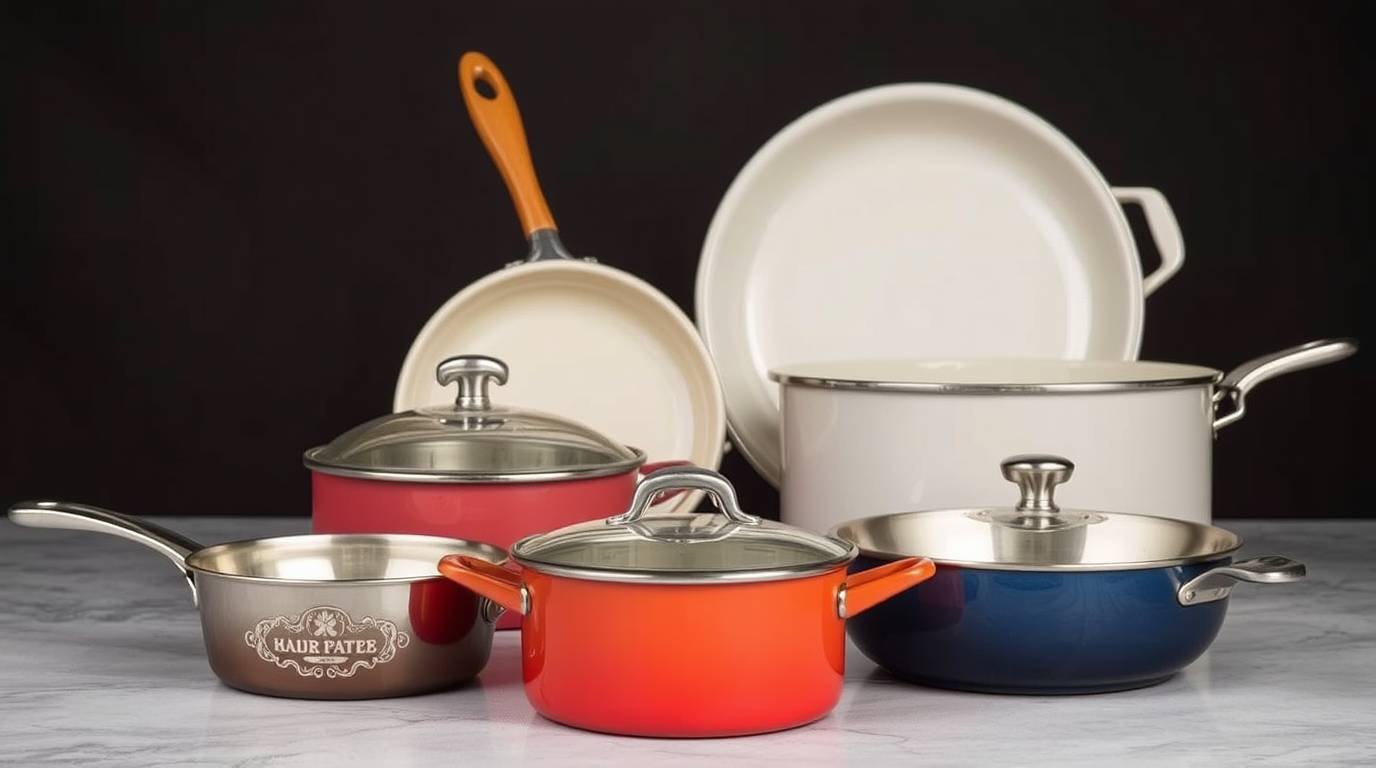
Where to Buy Antique or Replica Cookware
🛒 Best Online Marketplaces
The internet is packed with sellers, but not all are created equal. These are the top platforms for buying vintage and replica cookware online.
- eBay: Ideal for hunting rare antiques like Griswold, Wagner Ware, and vintage Le Creuset. Be sure to read seller ratings, inspect photos, and ask questions before purchasing.
- Etsy: Great for curated, small-batch sellers offering genuine vintage pieces and custom-seasoned antique cast iron. Some also sell handcrafted replicas or restored cookware.
- Facebook Marketplace & Groups: Local options can mean better deals with no shipping costs. Look for groups like “Vintage Cast Iron Enthusiasts” or “Buy/Sell Antique Kitchenware.”
- Amazon & Brand Sites (for Replicas): Modern brands like Lodge, Staub, and Le Creuset sell new cookware with vintage-inspired designs directly or through Amazon.
🧭 In-Person Places to Shop
If you want to touch and inspect your cookware before buying, these physical locations are excellent options.
- Antique Stores & Malls: Often carry a wide range of genuine vintage cookware. Prices can be high, but you’re paying for curated selection and expert curation.
- Estate Sales & Auctions: Goldmines for authentic, well-used cookware. Go early for the best selection, or late for better prices.
- Thrift Stores & Flea Markets: More hit-or-miss, but you can score great deals with a trained eye. Bring a magnet and flashlight to test for cast iron quality and authenticity.
- Garage Sales: Especially in older neighborhoods, these can yield unexpected treasures like vintage Pyrex, enameled Dutch ovens, or pre-1900s skillets.
🏷️ Tips for Buying Replica Cookware
Replicas are easier to find, but quality varies. Here’s how to get the most bang for your buck:
- Shop direct from manufacturers like Lodge, Staub, or Smithey to ensure quality and warranty coverage.
- Look for trusted kitchen retailers such as Williams Sonoma, Sur La Table, or Crate & Barrel.
- Avoid novelty brands that focus more on aesthetics than performance.
💡 Red Flags to Avoid
Wherever you shop, keep an eye out for these common pitfalls:
- Poor photos or vague descriptions
- Sellers unwilling to verify markings or origin
- “Vintage-style” labeled as “antique”
- Prices that seem way too low (or absurdly high) for what’s offered
Buying cookware is part history hunt, part investment, and all about passion. Whether you’re shopping online or digging through a dusty shelf at a flea market, the right tools are out there—waiting to be seasoned and brought back to life.
Conclusion: Which Vintage Cookware Should You Choose?
So—antique or replica? The choice isn’t always clear-cut, and that’s what makes it exciting. Each has its own strengths, quirks, and kitchen legacy. Let’s break it down one last time.
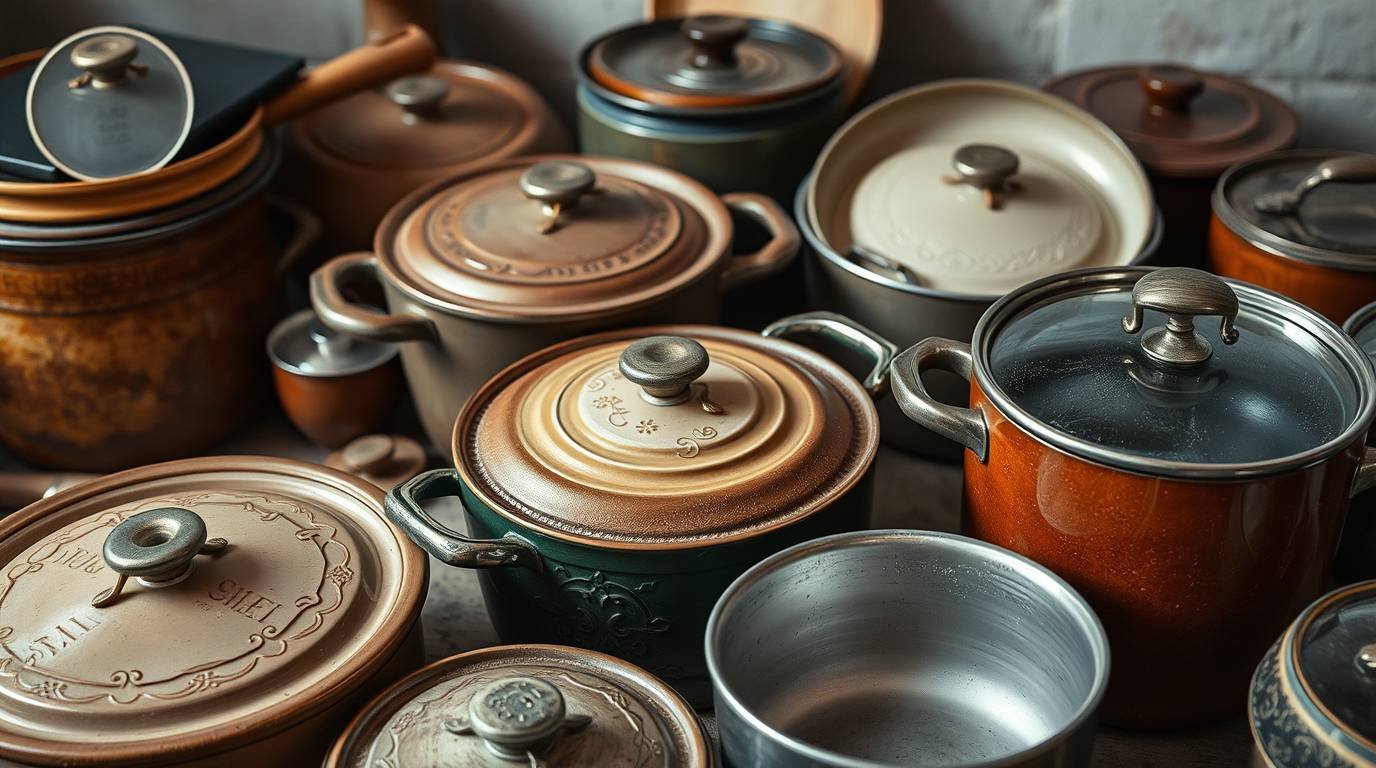
Which Vintage Cookware Should You Choose
🧭 Choose Antique Cookware If You…
- Love the idea of owning a piece of culinary history
- Enjoy restoring and seasoning your own pans
- Want heirloom-quality pieces with character and craftsmanship
- Are willing to hunt for authenticity and invest time in care
“Every scratch tells a story. Every layer of seasoning is history reborn.”
🔁 Choose Replica Cookware If You…
- Prefer modern conveniences like enamel coating and dishwasher safety
- Want vintage style with updated features
- Need cookware that’s ready to use out of the box
- Are building a consistent, functional collection for everyday cooking
🛎️ Final Thoughts
At the heart of it all, the best cookware is the one you’ll actually use and enjoy. Whether it’s a century-old Griswold skillet passed down through generations, or a brand-new enameled Dutch oven from Staub, what matters most is how it fits your kitchen and lifestyle.
Don’t be afraid to mix and match. Collect both. Compare them. Use them. The more you cook with them, the more your cookware becomes part of your story.
🍳 Your next great meal deserves a worthy pan. So go explore, get your hands dirty, and start building your vintage collection—one sizzle at a time.

0 Comments